AIS and Invasive Mussels
AIS, or Aquatic Invasive Species, is any species introduced to an area that is not native and could cause harm to that environment.
What are Invasive Mussels?
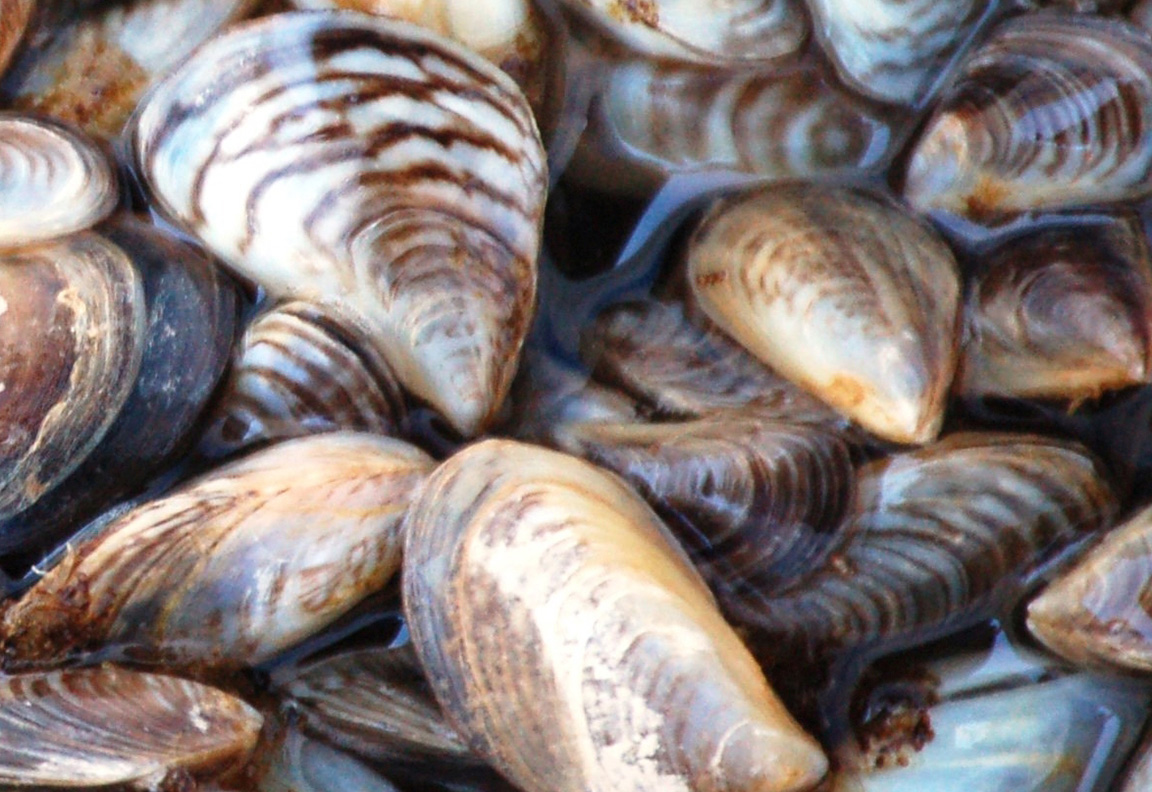
Zebra and quagga mussels are aquatic invasive species (AIS) that have spread rapidly across the US since the 1980s
Invasive mussels can quickly change their aquatic environment with detrimental effects to native species and human uses.
Some points on invasive mussels:
- Known for their detrimental effects on native fish and plant populations, as well as the significant economic costs associated with their rapid reproduction, waste products, and the changes they cause in lakes and streams
- Spread to new lakes by hitchhiking on boats, trailers, and water gear that has been used in an infected lake
- First detected in Montana in 2016
- Have NOT been detected in Flathead Lake, but more effort and education is needed to keep it this way
Read more about how FLBS monitors for AIS in the Flathead watershed. UM Vision magazine.
Cause for Concern?
Zebra mussels cause significant economic and environmental damage to water bodies as soon as they become established.
- They significantly alter the local foodweb and choke out native fish and plant populations.
- They pollute water use infrastructure by damaging irrigation and water intake pipes.
- Their shells and waste products pollute shorelines and lake bottoms, affecting recreational boating and beach use.
- Their presence could negatively impact property values and decrease revenue generated by tourism.
How Can I Help?
The Flathead Lake Biological Station periodically conducts AIS training events, including AIS identification, introduction to sampling techniques, eDNA sample collection and equipment decontamination.
For more information, please contact us.
Monitoring Donations
FLBS accepts donations to maintain AIS monitoring in the Flathead watershed.